
The SQL Connector for Jira Cloud is designed to simplify data import into SQL Databases.
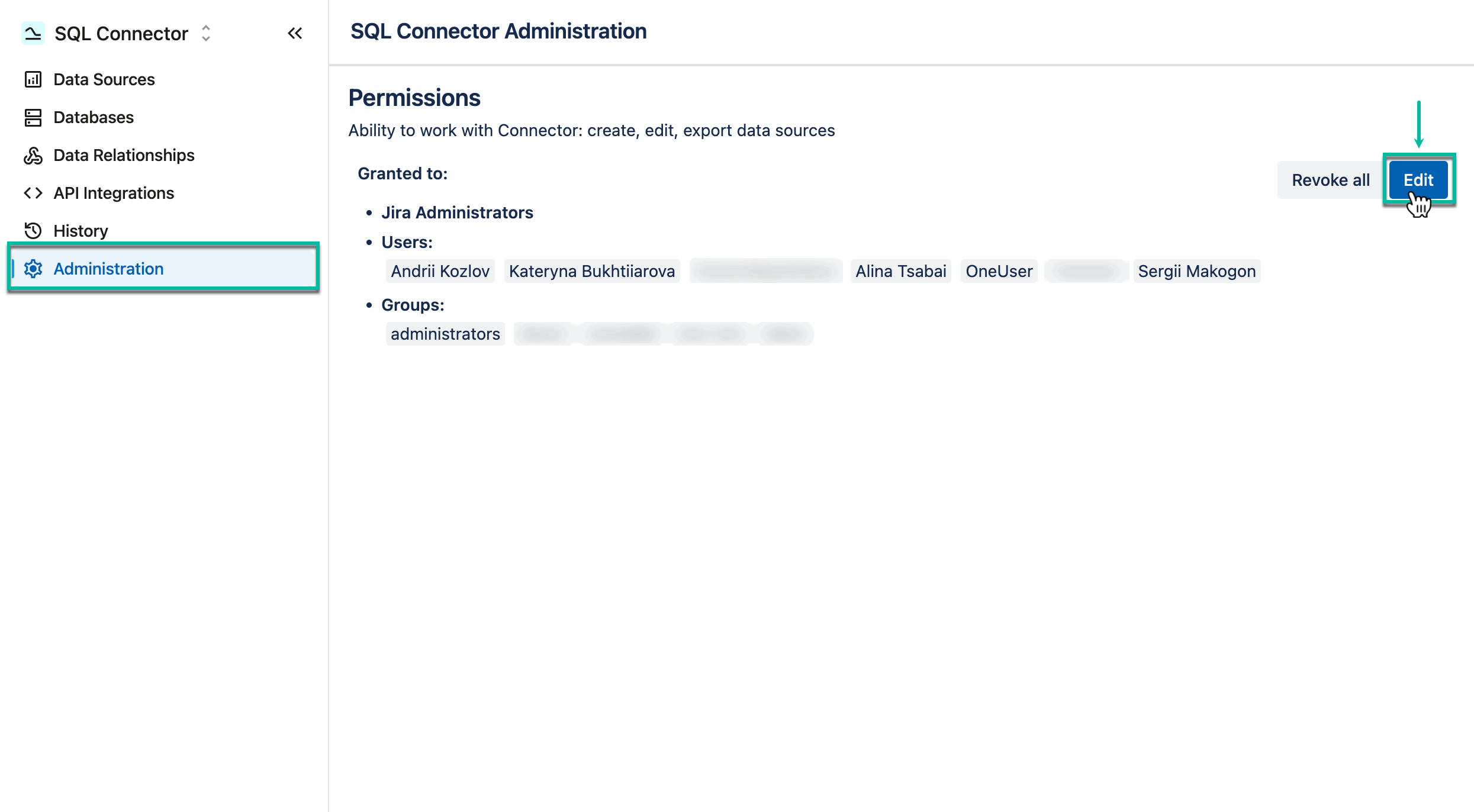
Step 1: Grant Permissions
If you are a Jira Administrator
-
Grant permission to individual users or groups so they can create, edit, watch, and export data sources.
-
Administrators can work with the SQL Connector by default.
🔗 Learn how to grant permission
If you are a Regular User
-
Ask your Jira Administrator to grant the required permission.
Step 2: Create a Database
-
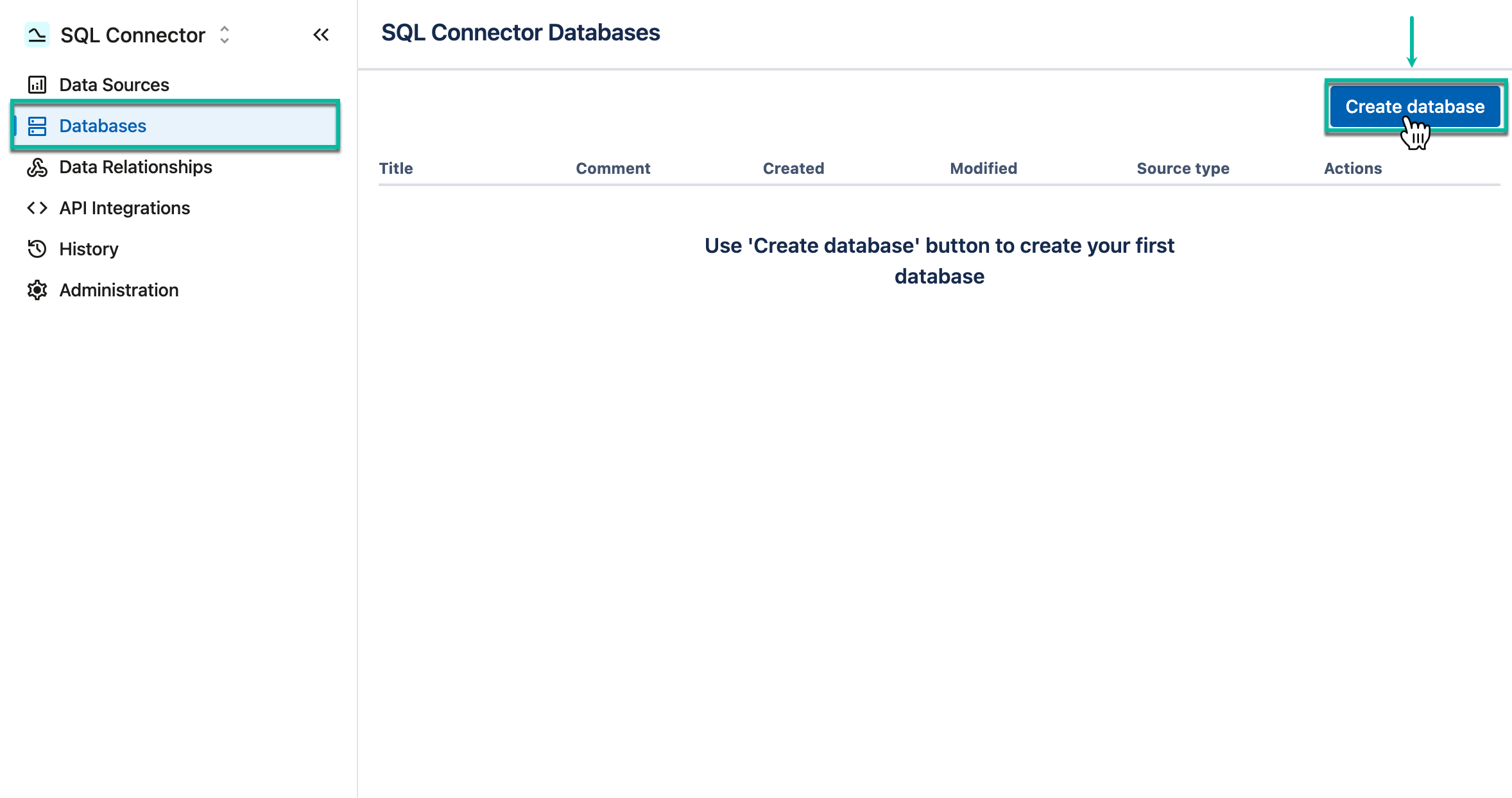
Create a dedicated database for your Jira data export.
-
Add the database configurations to the SQL Connector.
🔗 Learn how to add database to the SQL Connector
Step 3: Create a Data Source
-
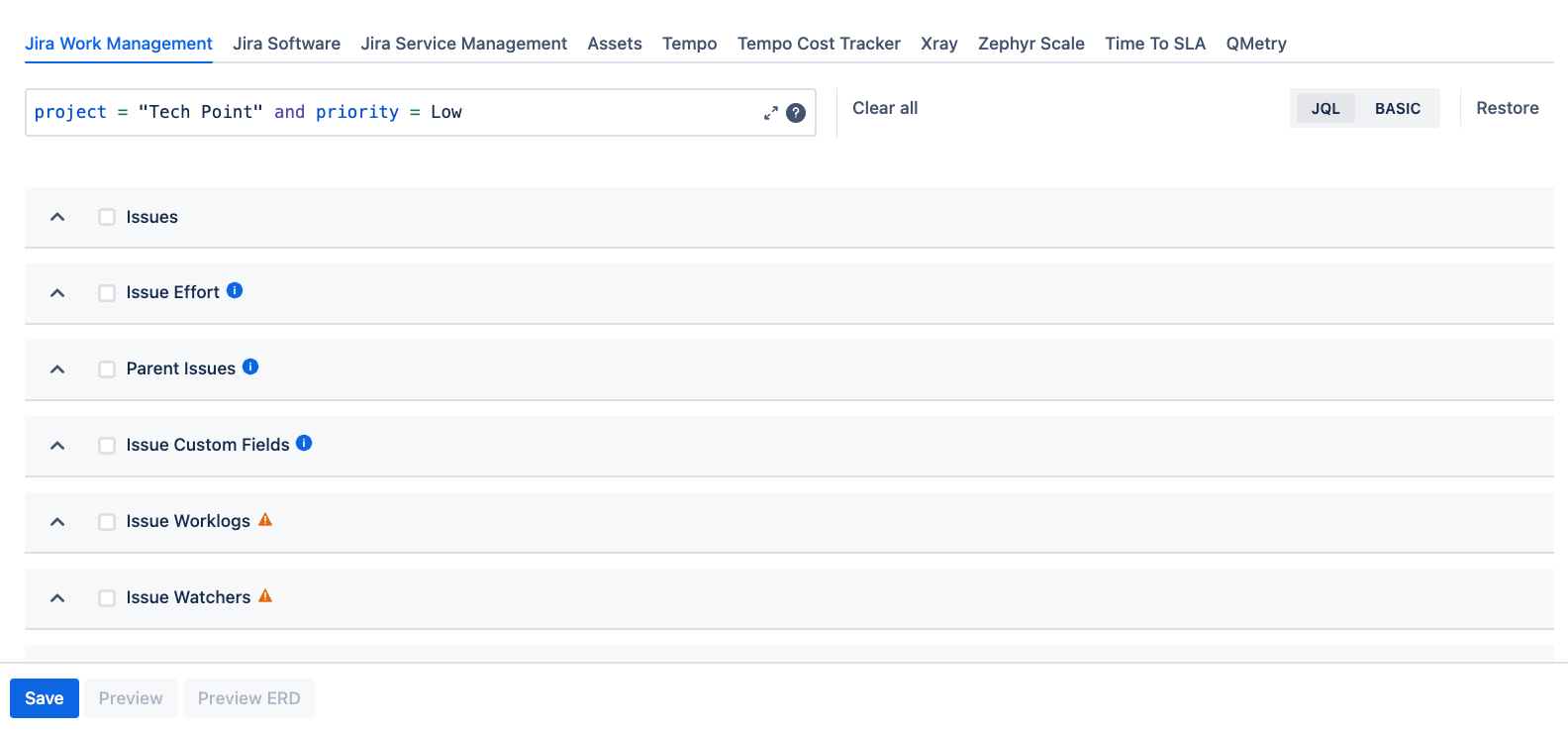
Think about the report you want to build or the analysis you want to run.
-
Select the corresponding Jira fields through the SQL Connector. This set of fields is called a data source.
🔗 Learn on how to create data source
-
Apply filters (such as project, issue type, or other criteria) to include only relevant data.
-
Without filters, the SQL Connector will export all data from your Jira instance.
-
🔗 Learn on how to apply filters
Step 4: Import Data to SQL Database
-
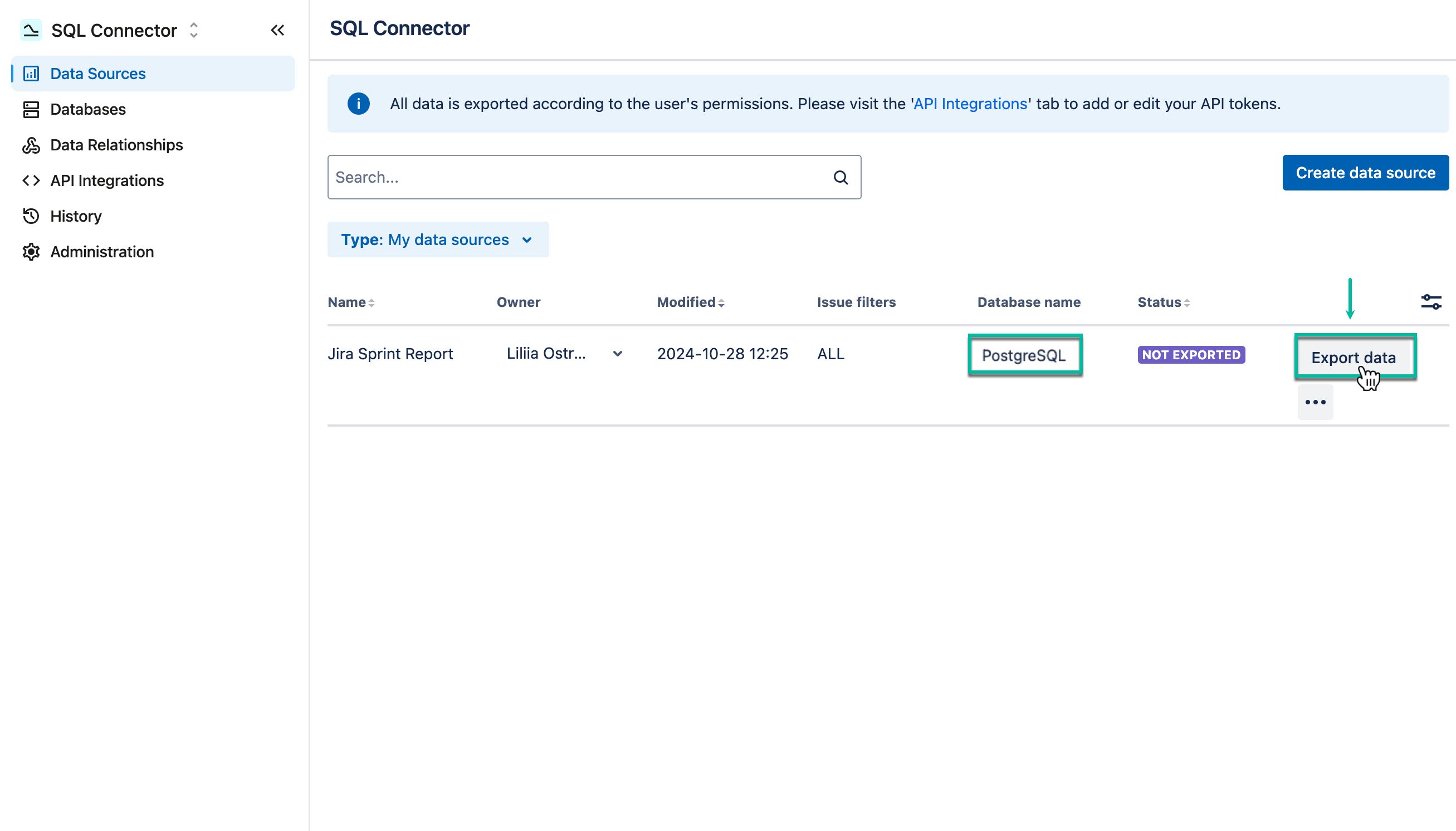
Open your SQL database.
-
Connect using the database configuration you added earlier.
-
Import the datasets included in your data source.
🔗 Learn how to import data to SQL Database
Done! You’re ready to explore and visualize your Jira Cloud data in SQL Database.
App Navigation
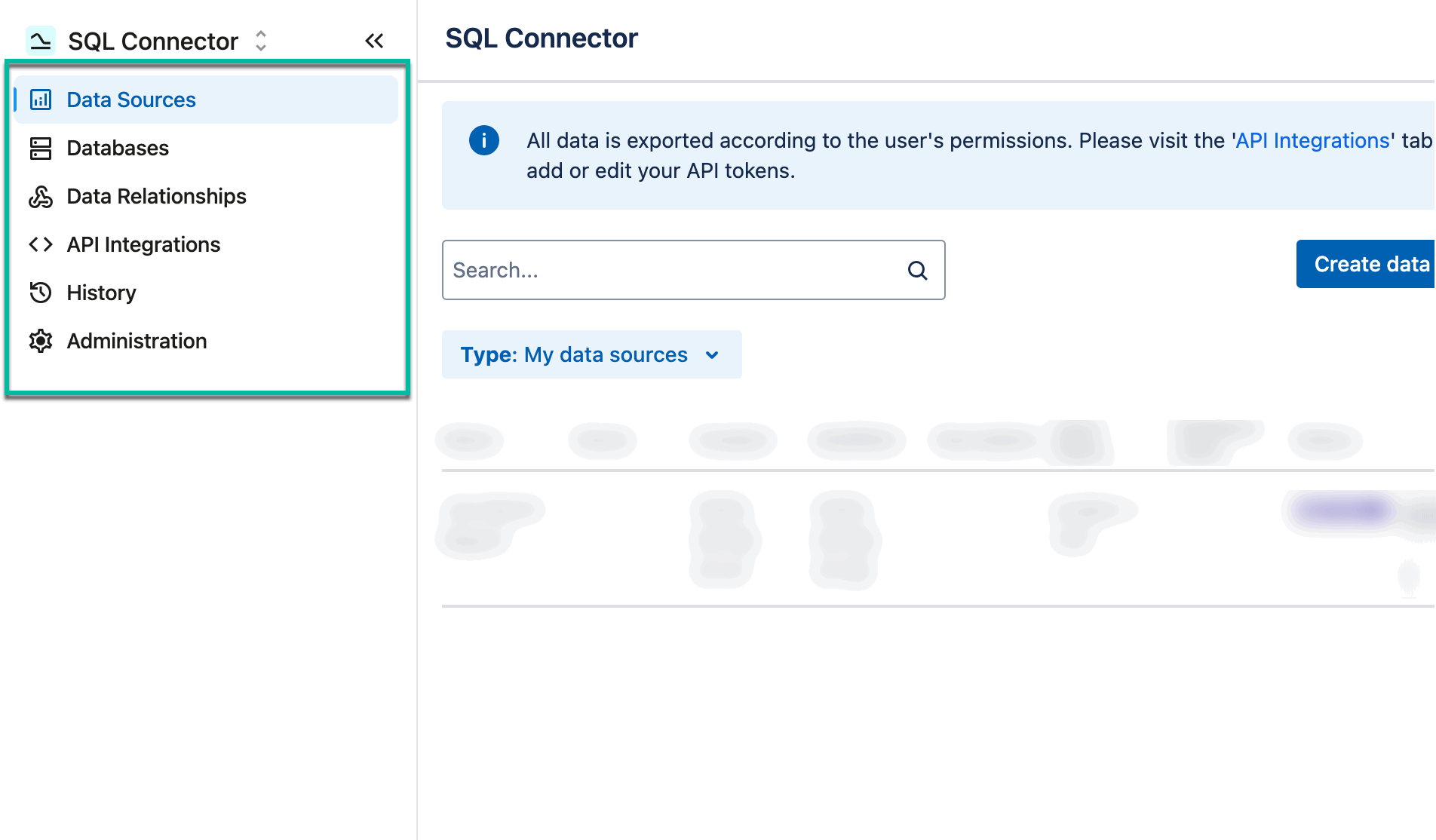
Use the app navigation to quickly switch between the following modules:
-
Data Sources
-
Databases
-
Data Relationships
-
Access Tokens
-
API Integrations
-
History
-
Administration
💬 Like using SQL Connector for Jira? Leave us a quick review on the Marketplace!